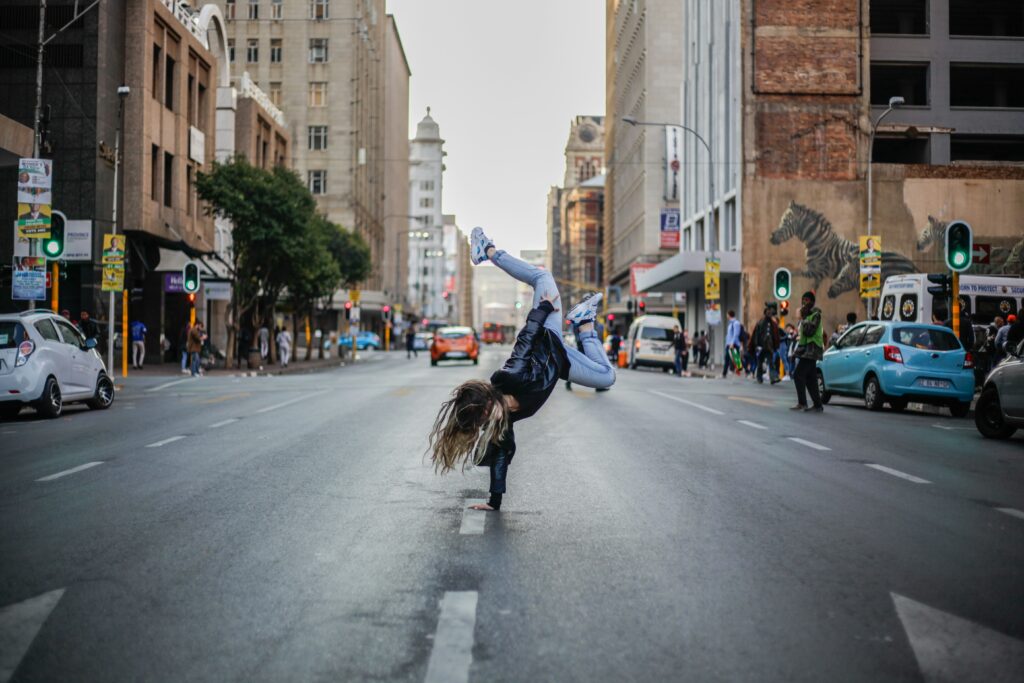
South Africa captivates travelers with its breathtaking landscapes, vibrant cities, and warm, diverse culture, yet questions about safety often arise when planning a visit. While it’s true that the country faces certain challenges, the reality for most visitors is far more reassuring than headlines suggest. With a bit of awareness, smart planning, and local insight, exploring South Africa can be both safe and deeply rewarding. From the sun-soaked shores of Cape Town to the wild heart of Kruger National Park, this guide breaks down what you need to know to travel confidently and enjoy every moment of your South African adventure.
A Snapshot of Safety in South Africa Today
Regional Overview: Where You Can Travel with Confidence
Practical Safety Tips for Tourists
Cultural Awareness & Local Etiquette
Insights from Locals & Experienced Travelers
Tech Tools & Apps to Help You Stay Safe
Final Thoughts: A Safe Adventure Awaits
A Snapshot of Safety in South Africa Today
Safety in South Africa can vary significantly depending on where you go and how you travel. Urban centers like Johannesburg, Pretoria, and Durban require a bit more vigilance, particularly when moving around unfamiliar neighborhoods or using public transportation. In contrast, tourist-friendly areas such as Cape Town, the Garden Route, and the Kruger National Park region are generally well-policed and accustomed to welcoming international visitors, with safety measures firmly in place.
Over the past decade, tourism infrastructure and security standards have improved noticeably. Many cities have established dedicated tourist police units, expanded CCTV coverage, and partnered with private security firms to enhance traveler safety. Hotels, restaurants, and safari lodges have also strengthened their own protocols, offering guests an added sense of security.
According to recent travel advisories, South Africa remains a “Level 2: Exercise Increased Caution” destination for many countries, similar to popular destinations in Latin America and parts of Europe. While petty crime can occur, serious incidents involving tourists are relatively rare, especially when travelers take basic precautions and stick to well-traveled routes.
Regional Overview: Where You Can Travel with Confidence
South Africa’s diverse regions each offer unique experiences and varying levels of safety awareness. Knowing what to expect in each destination helps you explore with confidence and ease.
Cape Town
Widely regarded as one of the safest and most visited cities in South Africa, Cape Town is well-equipped for tourism. Popular areas like the V&A Waterfront, Camps Bay, and Table Mountain are generally safe during the day. As in any major city, it’s best to stay alert and use registered transport when moving around at night.
Garden Route
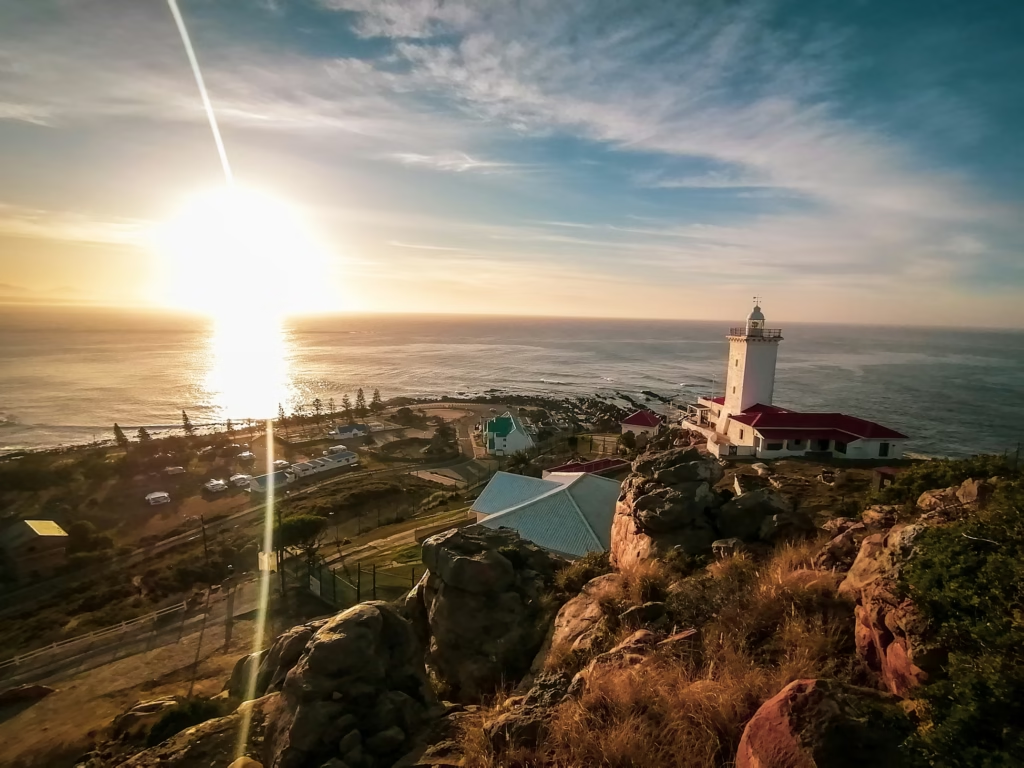
This picturesque coastal stretch between Mossel Bay and Storms River is known for its well-maintained roads, charming towns, and low crime rates. It’s ideal for self-drive adventures, with friendly locals and a relaxed atmosphere. Just remember to lock your vehicle and avoid leaving valuables in sight when stopping at viewpoints or beaches.
Kruger National Park
One of Africa’s top safari destinations, Kruger is exceptionally well-managed and highly secure for visitors. Most travelers stay in private lodges or camps where staff ensure safety through clear rules and professional guidance. Following ranger instructions during game drives or walks ensures a worry-free wildlife experience.
Johannesburg & Pretoria
These dynamic urban centers offer fascinating history, art, and nightlife, but they require extra situational awareness. Stick to reputable neighborhoods such as Rosebank, Sandton, or Maboneng, and use hotel-arranged transport or ride-hailing apps rather than public minibuses. With the right planning, both cities can be deeply rewarding cultural stops.
Durban & KwaZulu-Natal
Durban’s golden beaches and rich Zulu heritage draw visitors year-round. Tourist areas like Umhlanga and the North Coast are considered safe, especially by day. However, it’s best to avoid certain central city districts after dark and keep belongings close at hand when exploring busy markets.
Practical Safety Tips for Tourists
A few smart precautions can go a long way toward ensuring a smooth and enjoyable trip through South Africa. Whether you’re walking through city streets or heading out on a road trip, awareness and preparation are key.
When Walking or Exploring Cities
Stick to busy, well-lit areas and avoid wandering alone after dark, especially in unfamiliar neighborhoods. Keep your camera, phone, and valuables close, and use a crossbody bag that zips securely. Locals are generally friendly, so if unsure about an area, don’t hesitate to ask your hotel staff or guide for advice.
Driving and Road Safety
South Africa’s highways are well-maintained, making it perfect for self-drive adventures. Always keep car doors locked and windows up in urban areas, and avoid stopping in isolated spots at night. Use secure parking lots, and keep valuables out of sight when leaving the vehicle.
Public Transport and Ride Options
Public minibuses can be unreliable and are best avoided by tourists. Instead, use ride-hailing apps like Bolt or Uber, or ask your hotel to arrange trusted drivers. Domestic flights and long-distance coach services such as Greyhound or Intercape are safe and efficient for intercity travel.
ATM and Credit Card Safety
Use ATMs located inside shopping centers or banks, and be discreet when withdrawing cash. Avoid accepting help from strangers at ATMs, and use contactless payments whenever possible. Major credit cards are widely accepted in cities and tourist areas.
Avoiding Scams and Petty Theft
Common scams include fake charity collectors or overly friendly strangers offering unsolicited help. Politely decline and move on. Always verify prices before accepting services, especially from street vendors or unofficial tour operators.
Stay Connected and Informed
Buying a local SIM card or eSIM helps with maps, ride apps, and quick access to emergency contacts. Use reliable navigation apps like Google Maps or Waze, and share your itinerary with someone you trust.
Accommodation & Safari Safety
Choosing the right place to stay plays a big role in ensuring a safe and enjoyable trip through South Africa. Fortunately, most hotels, guesthouses, and safari lodges that cater to international travelers maintain excellent safety standards and strong security practices.
Secure and Reputable Stays
Opt for accommodation with solid reviews and official tourism accreditation. Many hotels and guesthouses in South Africa offer 24-hour reception, gated entrances, and on-site security. In urban areas, it’s best to stay in well-known neighborhoods and confirm that your accommodation provides secure parking if you’re renting a car.
Safety at Safari Lodges
South Africa’s safari lodges, particularly those within or near Kruger National Park, Madikwe, and the Eastern Cape reserves, are highly professional and safety-conscious. Guests are accompanied by trained guides and rangers at all times during game drives and walks. Camps are carefully located in controlled areas, and staff brief visitors on safety protocols, such as not walking unescorted at night or leaving rooms unattended with doors open.
Wildlife Encounters and Park Rules
Wildlife experiences are thrilling but require respect for nature and the rules that protect both visitors and animals. Always keep a safe distance, remain inside your vehicle unless instructed otherwise, and never feed or approach animals. Following ranger instructions ensures not only your safety but also the wellbeing of the wildlife you’ve come to admire.

Cultural Awareness & Local Etiquette
Understanding and respecting South Africa’s diverse cultures not only enriches your travel experience but also enhances your safety and connection with locals. A little cultural awareness goes a long way toward building trust and ensuring smoother interactions throughout your journey.
Blending In and Showing Respect
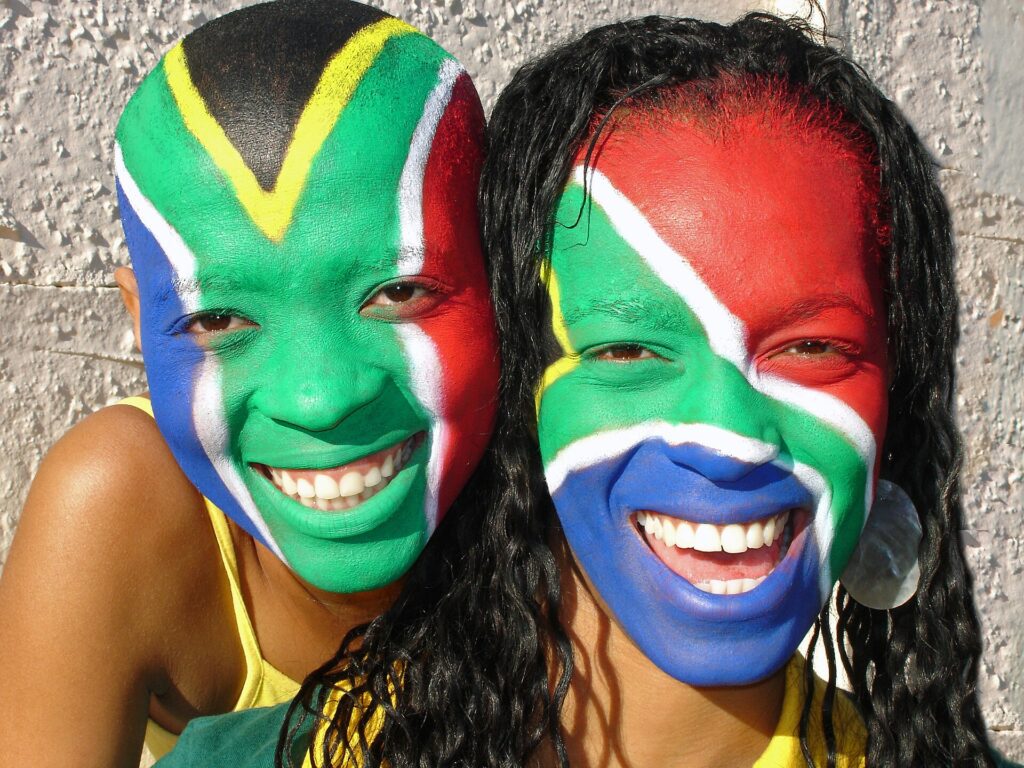
South Africa is often called the “Rainbow Nation” for its rich mix of cultures, languages, and traditions. Being polite, patient, and friendly helps you blend in easily. A warm greeting or a simple “hello” or “howzit,” as locals say, often opens doors and sparks smiles. Avoid discussing sensitive political or social topics unless you’re in familiar company, and always ask permission before photographing people or cultural sites.
Local Customs and Communication
South Africans tend to value courtesy and direct yet friendly communication. Punctuality is appreciated in business settings, though social gatherings are often more relaxed. Listening and showing genuine interest in local stories, food, or traditions is a great way to connect.
Dress Codes and Appearance
Dress standards vary widely: urban areas and beach towns are casual, while rural communities and religious sites tend to be more conservative. When visiting villages or townships, modest, neat clothing is a sign of respect. Comfortable attire is fine for sightseeing, but avoid displaying expensive jewelry or designer items that might draw unnecessary attention.
Tipping Culture
Tipping is customary across South Africa. A general guideline is 10–15% in restaurants, small change for car guards and petrol attendants, and ZAR 100–200 per day for lodge staff or guides depending on the level of service. Tips are always appreciated but should reflect the quality of your experience.
Insights from Locals & Experienced Travelers
No one understands South Africa better than the people who live and travel here every day. Hearing directly from locals and seasoned travelers offers valuable perspective and a reminder that kindness, awareness, and community are central to the South African experience.
Local Voices
Many South Africans take pride in welcoming visitors and ensuring they feel at home. As one Cape Town resident puts it, “We want people to see the real South Africa — our warmth, our culture, and our resilience. If you’re respectful and open, you’ll find that most locals will look out for you.”In Johannesburg, tour guide Lindiwe M. shares a similar sentiment: “We always tell our guests — ask questions, stay curious, and listen to local advice. We know which areas to avoid and where you’ll get the best food, art, and music safely.”
Traveler Experiences
Repeat visitors often highlight how local hospitality and guidance made their journeys not just safe but deeply personal. One traveler recalls, “When I got lost in Durban, a local shop owner walked me back to my hotel just to make sure I was okay. That moment said everything about South Africa’s spirit.”
Stories like these reflect a simple truth: while practical precautions matter, the genuine warmth of South Africans often leaves the strongest impression. Traveling with an open mind and a willingness to connect transforms safety into shared trust — and every encounter into part of the adventure.
Tech Tools & Apps to Help You Stay Safe
Technology can be one of your best travel companions in South Africa, helping you stay connected, informed, and confident wherever you go. With the right apps, you can navigate smoothly, access help quickly, and share your whereabouts with ease.
Navigation and Communication
Reliable navigation is essential, especially for road trips or exploring new cities. Google Maps and Waze are widely used and accurate, offering real-time traffic updates and safe route suggestions. Purchasing a local SIM card from providers like Vodacom, MTN, or Telkom ensures steady data coverage for maps and communication.
Emergency and Safety Apps
Install apps like Namola (South Africa’s leading safety app), which connect you directly to emergency services and send your GPS location for rapid response. Some hotels and tour operators also have their own guest safety alert systems, so ask about these when you check in.
Transportation and Transfers
Use Uber or Bolt for secure, cashless rides in major cities. These platforms allow you to share your live trip details with friends or family, offering peace of mind when traveling alone or at night.
Travel Insurance and Health
Download your travel insurance provider’s app to access 24-hour support, digital policy documents, and emergency assistance contacts. Keep Google Translate or iTranslate handy for quick communication in different local languages, especially when traveling off the beaten path.
Pro Tip: Always keep your phone charged by carrying a portable power bank when heading out for the day, and enable location sharing with a trusted contact during longer excursions or drives.
Emergency Preparedness
While emergencies are rare, being prepared helps you respond quickly and confidently if something unexpected happens. South Africa has well-established emergency services, modern hospitals, and responsive support for travelers in need of assistance.
Important Numbers to Know
National Emergency (Police, Ambulance, Fire): 112 (works on all mobile networks)
Police Direct Line: 10111
Ambulance / Medical Emergencies: 10177
Tourist Police (Cape Town & major cities): ask your hotel for the nearest branch
Your Country’s Embassy or Consulate: Save contact details before arrival for quick access in case of lost documents or legal assistance.
Lost Passports or Documents
If your passport is lost or stolen, report it immediately to the nearest police station and obtain a case number, as this is required for embassy assistance. Contact your embassy or consulate to arrange a replacement document. Keep digital copies of your passport, travel insurance, and flight details in a secure cloud or password-protected app for easy retrieval.
Medical Help and Emergencies
South Africa has excellent private healthcare facilities in all major cities and tourist hubs. In case of illness or injury, private hospitals such as Netcare and Mediclinic offer world-class treatment and often accept international insurance. Many pharmacies operate extended hours, and large cities have 24/7 pharmacies available.
Travel Insurance Reminder
Comprehensive travel insurance is essential; make sure it includes coverage for medical evacuation and hospital treatment. Keep your policy number and emergency contact information saved both digitally and on paper.
Final Thoughts: A Safe Adventure Awaits
With a bit of awareness and preparation, exploring South Africa can be one of the most rewarding journeys you’ll ever take. The country’s breathtaking landscapes, vibrant cultures, and welcoming people make it a destination that stays with you long after you’ve returned home.
Most visits are trouble-free, especially when travelers stay mindful of their surroundings and follow local advice. Whether you’re watching the sunrise over Table Mountain, spotting the Big Five on safari, or sharing stories with locals over a braai, you’ll find that South Africa’s warmth and spirit far outweigh any concerns.
So pack your sense of adventure, travel smart, and let the rhythm of South Africa’s beauty, people, and energy guide you safely and confidently through a journey you’ll never forget.
To begin this once-in-a-lifetime adventure, simply complete the form below, and we will be in touch to curate your journey!