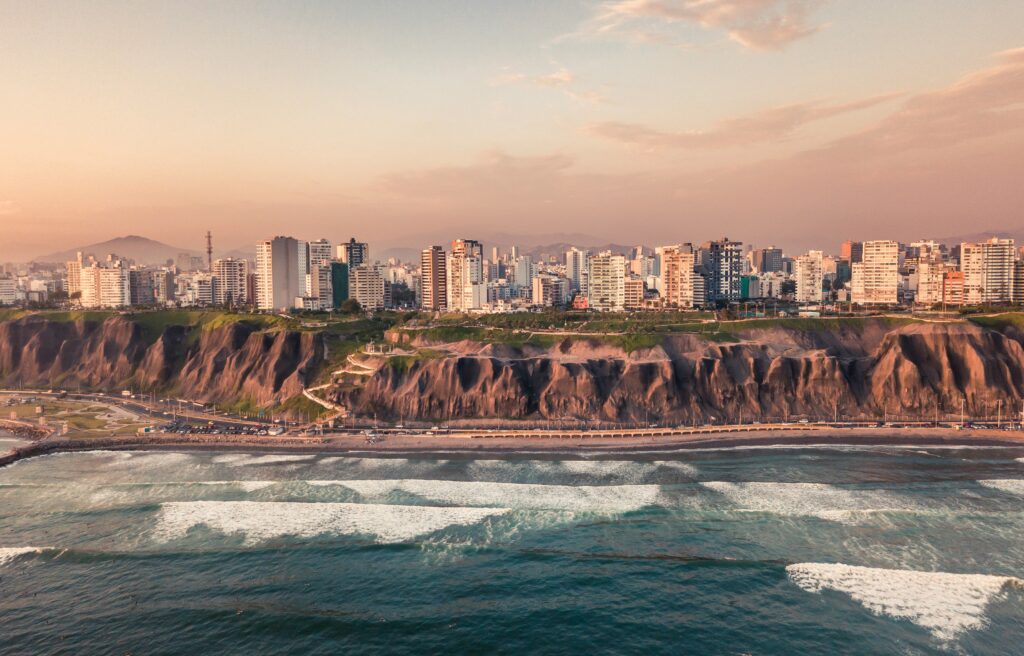
Peru is a land of breathtaking landscapes, ancient history, and vibrant culture, attracting travelers from around the world. From the towering peaks of the Andes to the bustling streets of Lima, the country offers unforgettable experiences, but like any destination, it comes with its own set of safety considerations. In this guide, we’ll explore practical tips, local insights, and expert advice to help you navigate Peru confidently, so you can focus on enjoying your adventure while staying safe.
Introduction: Understanding Safety in Peru
Cultural & Local Etiquette for a Safe Visit
Local Insights: Tips from Peruvians
Packing & Preparation for a Safe Trip
Conclusion: Balancing Adventure and Safety
Introduction: Understanding Safety in Peru
Peru is one of South America’s most captivating destinations, known for its rich history, diverse landscapes, and welcoming people. From exploring the lost city of Machu Picchu to wandering vibrant markets and sampling world-class cuisine, travelers are spoiled for choice.
As with many popular destinations, questions about safety often arise, ranging from concerns about petty theft in busy cities to navigating remote trekking routes in the Andes.
The reality is that millions of visitors explore Peru each year without serious issues. With a bit of awareness and preparation, you can too. By taking standard precautions and respecting local advice, your journey through Peru can be both safe and unforgettable.
General Safety Overview
Peru is generally a safe country for travelers, with millions visiting every year without major incidents. Still, it’s important to stay aware of your surroundings and understand the kinds of risks you might encounter.
Crime Statistics
Most issues that affect tourists are non-violent crimes such as pickpocketing or bag-snatching, particularly in crowded areas. Violent crime against foreigners is relatively rare, but as in any country, it’s wise to exercise caution, especially at night.
Common Scams and Petty Crimes
Travelers should be aware of common scams, including pickpocketing in busy plazas, buses, and markets; taxi overcharging or unregistered drivers; and distraction techniques such as someone spilling something on you while an accomplice takes your belongings. Keeping valuables out of sight and using official transportation and services can help reduce the risk of these issues.
Cities vs. Rural Areas
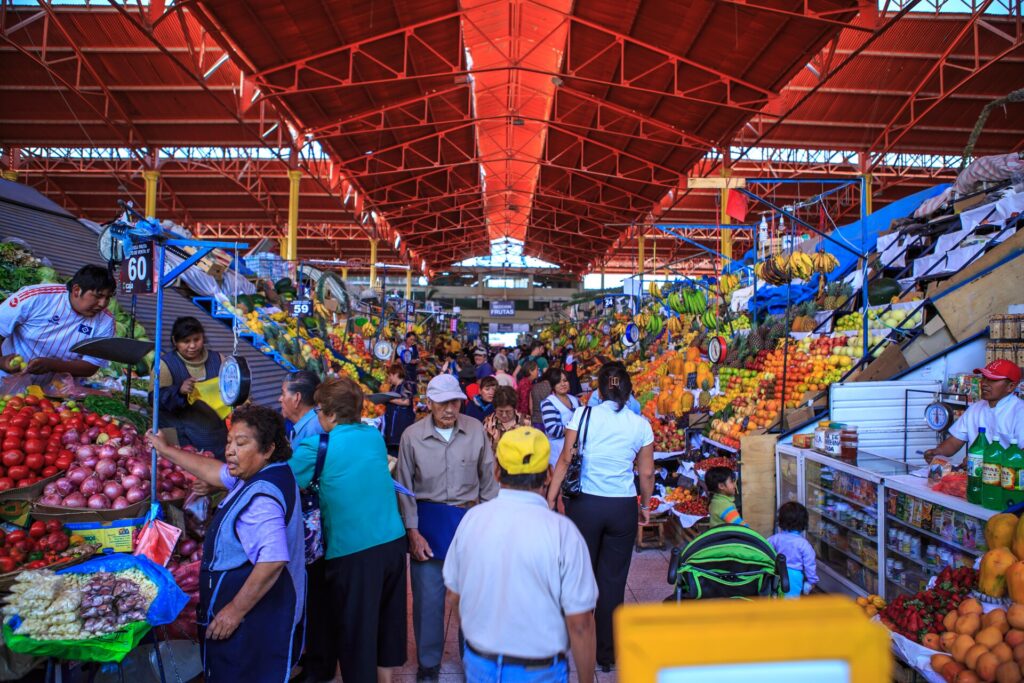
Large cities like Lima and Cusco have neighborhoods that are very safe for tourists, as well as areas best avoided after dark. Rural towns and villages tend to have lower crime rates, though travelers should still be careful with belongings and take precautions when hiking or venturing into remote areas.
.jpg)
City-Specific Safety Tips
Lima
Peru’s capital is often the first stop for international travelers. Safer neighborhoods like Miraflores, Barranco, andSan Isidro are well-patrolled and popular with visitors, offering plenty of hotels, restaurants, and nightlife. Areas such as Callao and certain parts of downtown Lima are best avoided, especially after dark, due to higher petty crime rates.
When it comes to transportation, use official taxi apps such as CabifyorDiDi instead of hailing cabs on the street. Walking is safe in tourist areas during the day, but at night it’s better to take a car service.
Cusco & the Sacred Valley
Cusco is generally safe, but as a busy tourist hub it attracts pickpockets, particularly around San Pedro Market, Plaza de Armas, andcrowded festivals. Keep valuables secure and avoid wandering down poorly lit streets at night. Nightlife in Cusco is lively and fun, but keep an eye on your drinks and personal items.
In the Sacred Valley, crime is less common, but trekking safety becomes the priority. Always travel with a registered guide, carry plenty of water, and be prepared for altitude changes.
Arequipa & Other Destinations
Arequipa has a relaxed and safe atmosphere, especially in the historic center, though like anywhere, petty theft can occur in crowded areas. At night, stick to well-lit streets.
In coastal towns, be mindful of belongings on the beach, and in jungle areas such as Iquitos, health precautions (mosquito protection, safe drinking water) are as important as crime awareness.
Remote trekking destinations, like Huaraz or Ausangate, are generally safe, but conditions can be challenging, so go with trusted operators and keep someone informed of your plans.
Traveling Around Peru Safely
Transportation Tips
Getting around Peru is relatively easy, but knowing which options are safest makes a big difference. In cities, avoid hailing taxis off the street; use ride-hailing apps like Cabify orDiDi, or ask your hotel to arrange a trusted driver.
For long-distance travel, reputable bus companies such as Cruz del Sur or Oltursa are reliable and comfortable, offering secure luggage handling.
Domestic flights are common for covering long distances quickly, but always check baggage rules and flight schedules, especially during high season.
Road Conditions and Night Travel
Roads in Peru vary dramatically. Highways between major cities are generally paved and in fair condition, while rural and mountain roads can be narrow, winding, and poorly lit. Driving yourself is not recommended unless you’re experienced with mountain conditions.
Traveling at night, whether by car or bus, carries higher risks due to reduced visibility and occasional theft incidents, so it’s safer to travel during daylight hours whenever possible.
Adventure Activities
Peru is a playground for outdoor adventure, from trekking the Inca Trail to rafting on the Urubamba River. With so many high-energy experiences on offer, safety starts with good preparation.
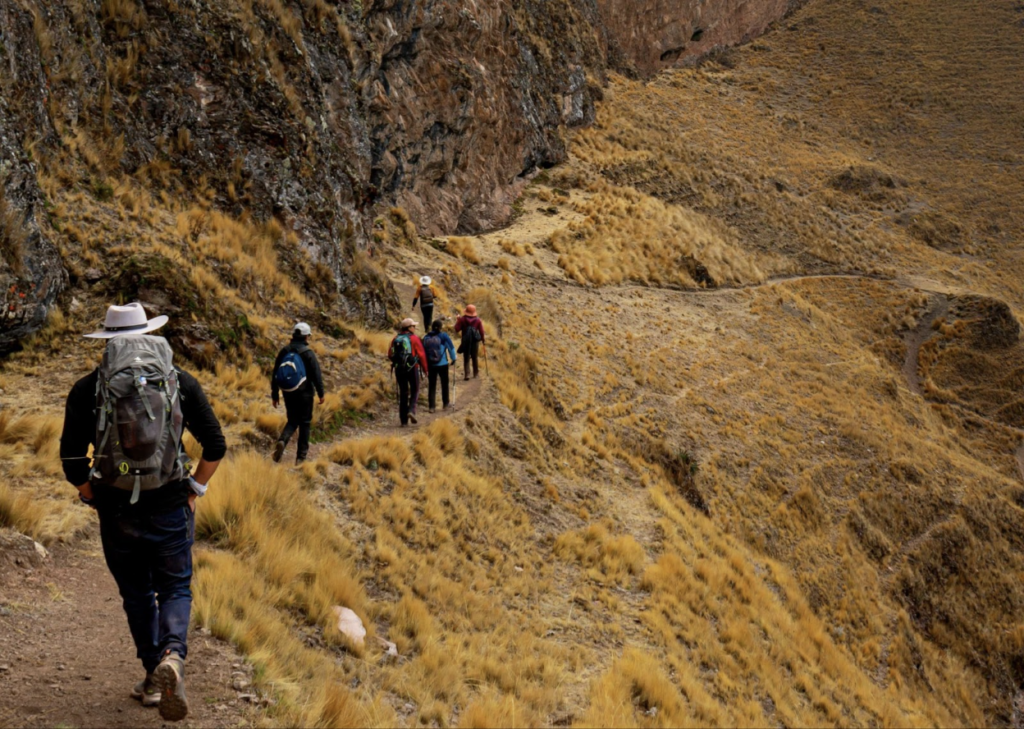
Always book activities with licensed operators, make sure guides are properly certified, and confirm that all equipment is in good condition. For trekking, take time to acclimatize to avoid altitude sickness and never hike alone in remote areas.
If you’re rafting or participating in other water activities, check river conditions in advance and wear all recommended safety gear. For mountain climbing or remote treks, it’s also wise to have travel insurance that specifically covers adventure sports.
Health & Wellness Safety
Water and Food Safety
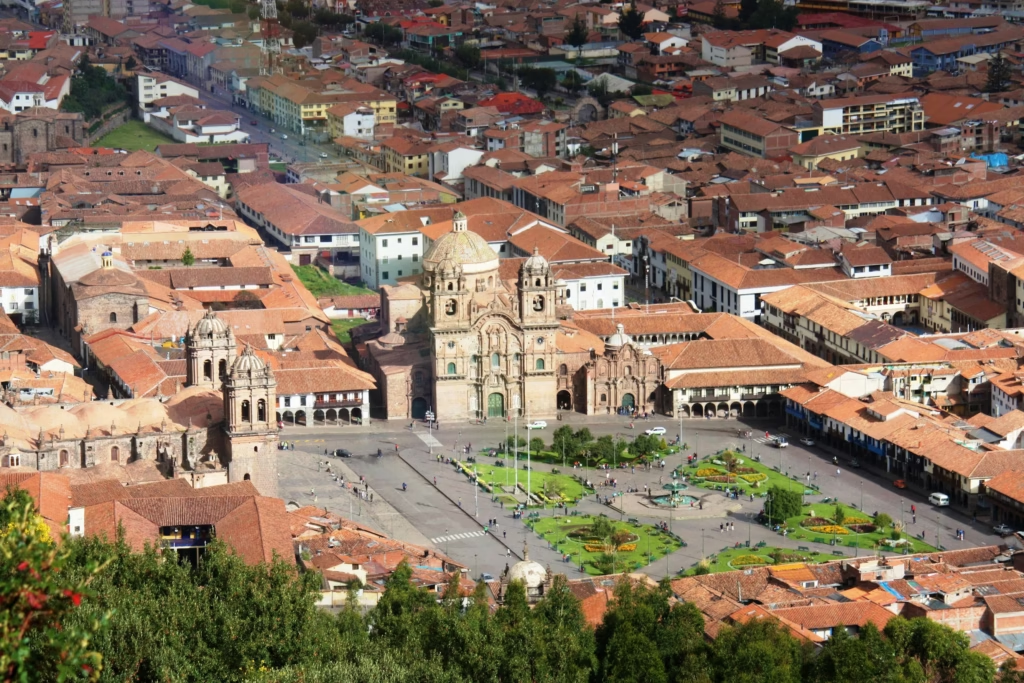
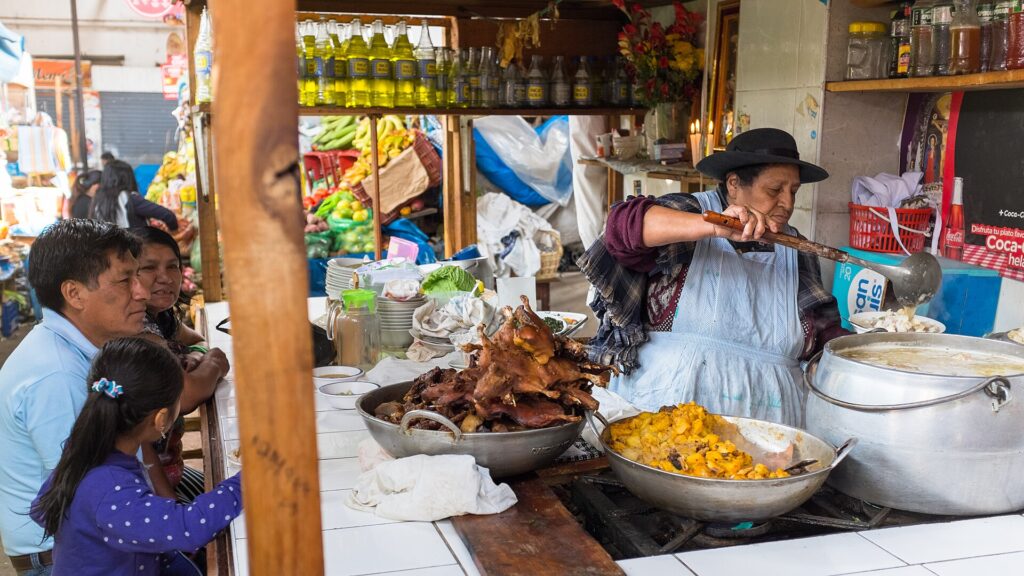
Peru’s culinary scene is world-renowned, and trying local dishes is often a highlight of any trip. To avoid food-related illness, stick to busy, well-reviewed restaurants and street vendors with high turnover of food.
Always drink bottled or filtered water, as tap water isn’t safe for consumption. Brushing your teeth with tap water is usually fine, but swallowing it should be avoided.
Fresh fruit is safe if peeled, and salads are generally okay in established restaurants.
Altitude Sickness
Many popular destinations, including Cusco, the Sacred Valley, and Lake Titicaca, sit at high altitudes where thinner air can cause headaches, nausea, or fatigue.
To prevent altitude sickness, ascend gradually when possible, stay hydrated, and avoid heavy meals and alcohol upon arrival. Coca tea and local herbal remedies can provide relief, but the most effective prevention is rest and acclimatization.
If symptoms persist or worsen, descend to a lower altitude and seek medical attention. Medication such as acetazolamide (Diamox) may be recommended by a doctor before your trip.
Medical Facilities and Insurance
Major cities like Lima, Cusco, and Arequipa have good private clinics and hospitals where English is often spoken. Rural areas may have only basic facilities, so serious cases often require transfer to larger cities.
Carrying comprehensive travel insurance is strongly recommended, and it should cover not only medical treatment but also emergency evacuation, especially if you plan to trek, climb, or participate in other adventure activities.
Having a small first aid kit with basic supplies like rehydration salts, pain relievers, and bandages is also a smart idea.
Cultural & Local Etiquette for a Safe Visit
Respectful Behavior in Local Communities
Peruvians are warm and welcoming, and showing respect for their traditions goes a long way toward positive interactions.
Always greet people politely with a simple buenos días (good morning) or buenas tardes (good afternoon).
In rural villages, ask before taking photos of people, as some may find it intrusive or expect a small tip in return. Dress modestly in smaller towns and traditional areas to show cultural sensitivity.
Sacred Sites: Dos and Don’ts
Many of Peru’s most visited places, from Machu Picchu to ancient temples, are also sacred to local communities.
Do stay on marked paths, follow guide instructions, and avoid climbing or touching ruins. Don’t bring food or litter into archaeological sites, and never carve or write on stones. At religious sites such as churches or shrines, keep your voice low, remove hats, and avoid disruptive behavior.
Avoiding Misunderstandings
Most misunderstandings stem from cultural differences. Bargaining in markets is normal, but it should always be done politely and with a smile. Avoid heated arguments or raising your voice, as it may come across as disrespectful.
Learning a few basic phrases in Spanish, or even Quechua in the Andes, shows effort and earns goodwill. Above all, patience and kindness will help you navigate interactions smoothly.

Dealing with Emergencies
Emergency Numbers
Peru has a nationwide emergency system, although response times can vary depending on the region. The key emergency numbers to remember are 105 for the police, 116 for the fire department, and 106 for ambulance and medical emergencies.
If you are in a remote area, it’s best to contact local authorities, your tour guide, or your accommodation immediately for assistance.
Consulates and Embassies
Most major embassies are located in Lima, with some consular offices in Cusco. It’s a good idea to keep your embassy’s contact details handy before you travel. They can help with lost or stolen passports, provide legal assistance, or contact family in case of emergencies. Many embassies also offer traveler registration programs for added peace of mind.
Lost Documents, Theft, or Medical Emergencies
If your passport is stolen, file a police report as soon as possible, as this will be required to obtain a replacement at your embassy. It’s also important to keep a photocopy of your passport and visa page separate from the original, and to store a digital copy in a secure cloud service.
For stolen belongings, notify the police and contact your travel insurance provider promptly. In the event of a medical emergency, private hospitals in cities such as Lima, Cusco, or Arequipa generally offer faster and higher-quality care than public hospitals, although payment may be required upfront.
Local Insights: Tips from Peruvians
Everyday Safety Advice
Locals often say the best way to stay safe in Peru is to “be aware, not afraid.” Pickpocketing and scams usually target distracted travelers, so keeping phones and wallets out of sight goes a long way.
Many Peruvians recommend using taxi apps or arranging rides through hotels instead of flagging down cars on the street.
Hidden Gems and Safer Spots
While tourist hotspots like Machu Picchu and Lima’s Miraflores district are popular, Peruvians often encourage visitors to explore less-crowded areas that feel both authentic and safe.
For example, the San Blas neighborhood in Cusco offers charming artisan shops and cafes with fewer crowds, while Barranco in Lima has a lively but laid-back vibe compared to the busier downtown.
Avoiding Tourist Traps
Peruvians also point out that tourist-heavy areas, such as around Lima’s Plaza Mayor or Cusco’s Plaza de Armas, tend to have inflated prices and more aggressive touts.
Their advice: shop in local markets a few blocks away, ask locals where they eat, and book tours directly through established operators instead of street sellers.
By following local guidance, travelers can experience a more genuine side of Peru while steering clear of unnecessary risks.
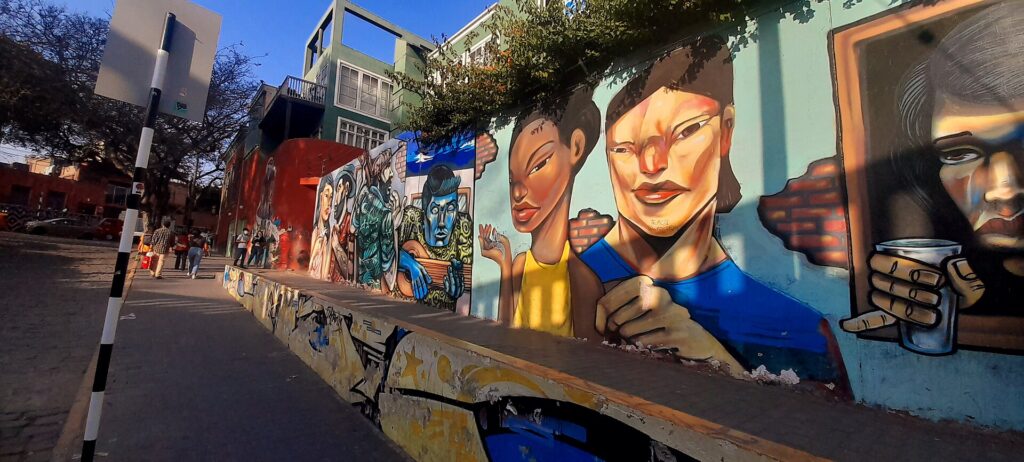

Solo Travel & Women Travelers
Tips for Solo Travelers
Traveling alone in Peru is common, and most solo travelers feel safe as long as they take standard precautions.
Choose accommodations with good reviews, let someone know your itinerary, and avoid isolated areas at night. Joining group tours for treks, day trips, or even cooking classes is a great way to meet others while adding an extra layer of security.
Safety Advice for Women
Women travelers in Peru may encounter occasional unwanted attention, especially in busy city areas. Dressing modestly can help reduce it, and ignoring catcalls is usually the best response.
At night, stick to well-lit streets and opt for registered taxis or ride-hailing apps instead of walking alone. In nightlife settings, always keep an eye on your drink and avoid accepting beverages from strangers.
Apps and Resources
Technology can make solo travel smoother and safer by providing practical tools that support navigation, transportation, and communication.
Apps like Google Maps are invaluable for getting around, even offline, while Beat, Uber, or Cabify offer safer ride options in major cities. WhatsApp helps you stay connected with friends, family, or new travel companions, and programs like the Smart Traveler Enrollment Program (STEP) for U.S. citizens—or similar embassy registration services for other nationalities—add an extra layer of security.
With a balance of independence and awareness, solo and women travelers can explore Peru confidently and safely.
Packing & Preparation for a Safe Trip
Safety-Oriented Items
A few smart items can make your trip much safer and far less stressful. Bringing a small first aid kit with essentials such as bandages, pain relievers, and rehydration salts is always a good idea.
Combination locks for your backpack or suitcase can help deter opportunistic theft, while a portable safe or money belt is ideal for keeping passports, cash, and cards secure. A reusable water bottle with a built-in filter is also very useful, especially if you plan to trek or spend time in rural areas.
Money and Document Security
Carry a mix of payment options: some cash in small bills, a debit card, and a backup credit card. Keep only what you need for the day in your wallet, and store extra cash and documents in a hotel safe or concealed pouch.
Always carry a photocopy of your passport and entry stamp separately from the original, and consider keeping a digital copy in secure cloud storage.
Apps and Tools
Technology can provide real peace of mind while traveling by helping you stay oriented, connected, and prepared.
Google Maps in offline mode is useful for reliable navigation in cities and on treks, while Maps.me offers detailed offline maps ideal for hiking. Ride-hailing apps like Beat, Uber, and Cabify are safer alternatives to street taxis, and WhatsApp is the go-to messaging app in Peru for staying in touch with locals and fellow travelers. In addition, some travel insurance providers offer emergency apps with 24/7 medical support and safety alerts.
By preparing smartly before your trip, you’ll not only stay safer but also travel with more confidence and freedom.
Conclusion: Balancing Adventure and Safety
Peru is a destination that rewards curiosity, offering everything from breathtaking mountain treks to world-class cuisine and ancient wonders. While safety concerns are natural when traveling abroad, most visitors explore the country without major issues. By staying aware of your surroundings, taking common-sense precautions, and respecting local culture, you can enjoy Peru with peace of mind.
Traveling well-prepared doesn’t mean limiting your adventure, but it means experiencing it fully, with confidence and ease. With the right knowledge, tools, and attitude, you’ll be free to focus on the unforgettable landscapes, flavors, and people that make Peru so special.
If you’d like extra reassurance, consider planning parts of your journey with trusted local guides or established tour operators. Their expertise not only enhances safety but also opens doors to hidden experiences you might otherwise miss. With thoughtful preparation, your trip to Peru can be both safe and truly unforgettable.
To begin this once-in-a-lifetime adventure, simply complete the form below, and we will be in touch to curate your journey!